The revision of the Payment Services Directive, known as DSP2, has transformed the financial landscape in Europe. This regulatory framework has significantly impacted how payment services operate and interact with consumers. Since its introduction, DSP2 has fueled the growth of open banking. This concept focuses on opening up consumers’ financial data to authorized third-party providers. With these advancements, both consumers and businesses are experiencing notable changes in the payments sector.
Understanding DSP2: An Overview
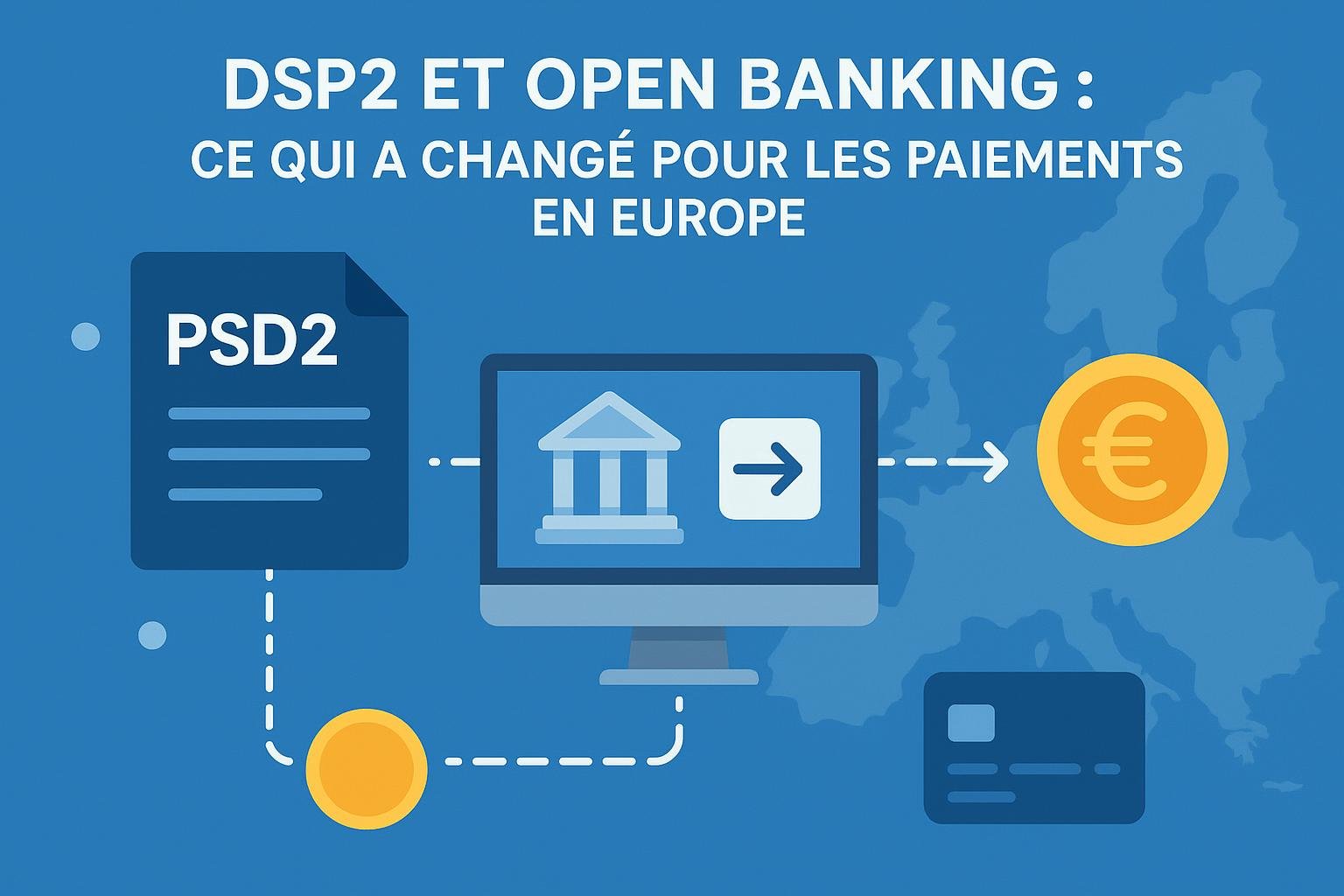
DSP2, or the Revised Payment Service Directive, is a European regulation. It came into effect in January 2018. The primary aim is to increase competition and innovation in the payment sector. It also enhances consumer protection.
How DSP2 Works
DSP2 mandates that banks open up their systems. They must allow third-party providers access to customer account information. This access is given with the customer’s explicit consent. The directive promotes transparency by requiring banks to adopt secure and standardized communication protocols.
Key Features of DSP2
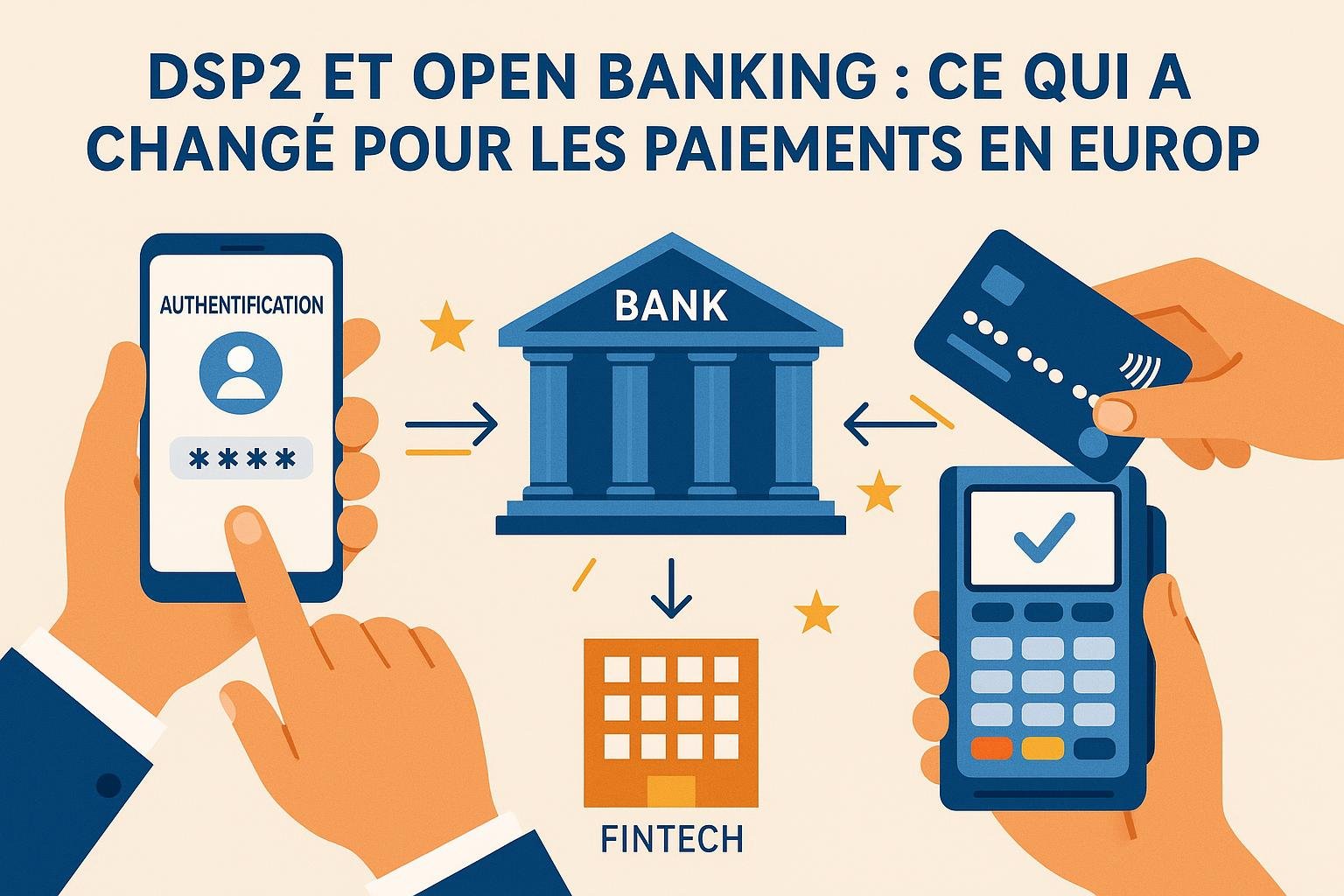
- Strong Customer Authentication (SCA): This requires two-factor authentication for electronic payments, increasing security for both consumers and service providers.
- Access to Account (XS2A): This allows approved third-party providers to obtain customer account data and initiate payments on their behalf, with consent.
The Rise of Open Banking
Open banking is a direct result of DSP2. It enables third-party providers, such as fintech companies, to access banks’ application programming interfaces (APIs). This access facilitates a wider range of services, from personal finance management tools to new payment methods.
Benefits of Open Banking
- Consumer Control: Consumers decide who can access their data and revoke access anytime.
- Enhanced Competition: More players enter the financial market, fostering innovation.
- Improved Services: New services can personalize financial management and offer more tailored advice.
Effects on Payment Systems in Europe
The adoption of DSP2 and open banking has reshaped payments in several ways:
Increased Security
SCA and secure APIs have minimized fraud risks. This leads to more trust among consumers.
Seamless Transactions
With DSP2, transactions between banks and third-party providers have become more efficient. This enhances user experience.
Innovation and Competition
Fintech companies leverage open banking to provide advanced services, thus driving innovation in the sector. This competition results in better services for consumers.
Challenges and Considerations
Despite its benefits, DSP2 and open banking present challenges:
Complexity in Implementation
Banks and financial institutions face technical challenges in integrating new systems. They must comply with regulatory standards while ensuring smooth operations.
Privacy Concerns
Consumers worry about data privacy. Trust in companies accessing sensitive information is crucial.
Success Stories in Europe
Several companies have successfully integrated DSP2 and open banking to improve payment services.
Example 1: Monzo
Monzo, a digital bank, uses open banking to provide budget tracking and real-time insights into spending habits.
Example 2: Klarna
Klarna enables buy-now-pay-later services by utilizing customers’ financial data to assess risk accurately.
Pros and Cons of DSP2 and Open Banking
Pros
- Enhanced Security: SCA protocols reduce fraud risk.
- Consumer Empowerment: Users have control over whom they share their data with.
- Market Innovation: Increased competition stimulates service improvements.
Cons
- Implementation Costs: Costs of compliance with DSP2 may be high for banks.
- Complexities in Data Management: Ensuring data privacy and security requires ongoing attention.
Conclusion
The introduction of DSP2 and the evolution of open banking have drastically changed the financial landscape in Europe. They have ushered in a new era of secure, efficient, and consumer-centric payment systems. While challenges such as data privacy concerns remain, the overall impact on innovation and service quality has been overwhelmingly positive. For businesses and consumers looking to navigate the open banking ecosystem, partnering with companies that offer accompagnement open banking services, like Upware, can provide indispensable guidance.
In conclusion, we see that DSP2, with its emphasis on security and competition, coupled with open banking’s potential for innovation, is paving the way for a dynamic financial future in Europe. As the sector continues to evolve, staying informed and proactive will be key to harnessing its full potential.
For further insights and regulatory details, these resources provide valuable information: European Commission’s Payment Services Directive, European Banking Authority, and Open Banking Europe.
Leave a Reply